A Slice of Sweden: Unraveling the History of the Prinsesstårta
Step into any Swedish bakery, and your eyes will inevitably be drawn to a pastel green masterpiece, often adorned with a delicate pink marzipan rose. This enchanting confection, known as the Prinsesstårta (Princess Cake), is more than just a dessert; it's a beloved symbol of Swedish culinary heritage, instantly recognizable and deeply ingrained in the nation's festive traditions. From grand celebrations to intimate Fika gatherings, the Prinsesstårta holds a special place, inviting all to indulge in its layers of creamy delight and historical charm. But
what truly characterizes a Swedish Princess Cake, and how did this royal treat come to grace the tables of an entire country?
The Defining Characteristics of a Prinsesstårta: A Visual and Culinary Masterpiece
To understand the essence of a Prinsesstårta is to appreciate its meticulously crafted design and harmonious blend of textures and flavors. When someone asks, "Was Zeichnet Eine Schwedische Prinzessinnen Torte Aus?" – "What defines a Swedish Princess Cake?" – the answer begins with its distinctive appearance.
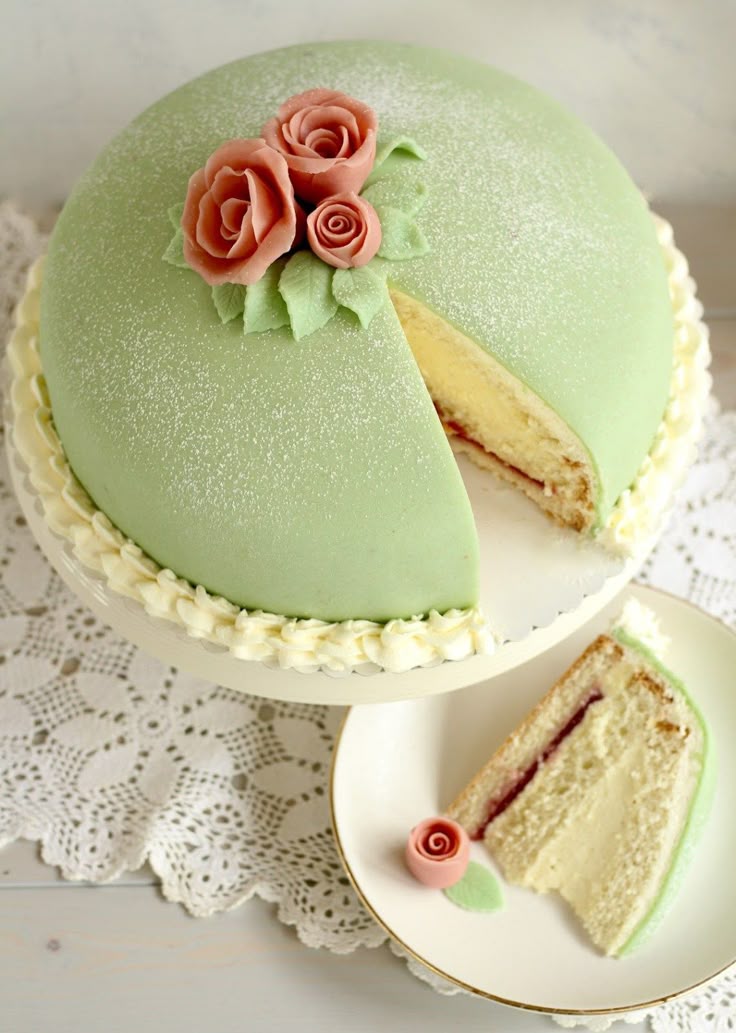
- The Iconic Green Marzipan Dome: The most unmistakable feature is its smooth, vibrant green marzipan covering. This thinly rolled layer perfectly drapes over the cake, forming a gentle, often hemispherical dome. The marzipan isn't just for show; it contributes a subtle almond flavor and a unique chewiness that complements the soft interior. It's almost always dusted lightly with powdered sugar, adding a snowy, elegant finish.
- The Signature Marzipan Rose: Gracing the very top of the green dome is typically a delicate, pastel pink marzipan rose. This royal flourish adds a touch of whimsical beauty and is a traditional marker of authenticity. While pink is classic, variations for special occasions might feature other colors.
- A Symphony of Layers: Beneath its verdant exterior, the Prinsesstårta reveals a carefully constructed interior. The layers of the Prinsesstårta are key to its beloved taste profile:
- Light, Airy Sponge Cake: The foundation consists of several thin, bright, and incredibly soft sponge cake (biskuit) layers. These provide a delicate structure without being overly dense, allowing the creams to shine.
- Rich Vanilla Cream (Konditorcreme): A generous layer of smooth, rich vanilla custard, or *Konditorcreme*, provides a creamy, sweet core. This classic pastry cream offers depth and a comforting flavor.
- Sweet Raspberry Jam: Often, a layer of tangy raspberry jam (or sometimes raspberry conserve) is spread between the sponge cake and vanilla cream. This fruit element cuts through the richness, adding a delightful burst of tartness that balances the sweetness of the other components.
- Abundant Whipped Cream: Perhaps the most significant internal characteristic is the generous mound of freshly whipped cream. This thick, light, and airy cloud is precisely what creates the cake's characteristic dome shape, mounding over the other layers before being encased in marzipan. Its sheer volume is crucial to the cake's luxurious mouthfeel.
The combination of these elements – the sweet almond of the marzipan, the tartness of the berries, the richness of the vanilla cream, and the ethereal lightness of the whipped cream and sponge – creates a harmonious and unforgettable culinary experience. It’s a cake that’s both visually stunning and exquisitely balanced in flavor and texture.
A Royal Legacy: Tracing the Origins of the Prinsesstårta
The story of the Prinsesstårta is as captivating as the cake itself, rooted in royal connections and a cookbook that captured the nation's heart. Its origins trace back to Sweden in the early 1930s, a period when culinary innovation was beginning to flourish.
The cake was first published in a 1930 cookbook titled "Prinsessornas kokbok" (The Princesses' Cookbook), compiled by Jenny Åkerström, a renowned teacher and household economics instructor. Åkerström taught the three daughters of Prince Carl, Duke of Västergötland, and Princess Ingeborg of Denmark: Princess Margaretha (later Princess Axel of Denmark), Princess Märtha (later Crown Princess of Norway), and Princess Astrid (later Queen of the Belgians).
Initially, the recipe was simply called "Grön Tårta" (Green Cake) due to its distinctive color. However, it quickly became a particular favorite of the princesses. Legend has it that they were so fond of this specific recipe that it soon became synonymous with them, eventually earning its affectionate and enduring name: Prinsesstårta.
From its humble beginnings in a royal household, the Prinsesstårta rapidly gained popularity throughout Sweden. It transitioned from a special treat for princesses to a standard offering in virtually every *konditori* (bakery) across the country. Its elegant appearance and delightful taste made it a go-to dessert for significant milestones and everyday celebrations alike. Today, it remains one of Sweden's most iconic and best-selling cakes, symbolizing not just a delicious treat, but a cherished piece of Swedish identity and tradition, often served at birthdays, graduations, and, of course, during the quintessential Swedish Fika – a coffee break with something sweet.
Beyond the Green Dome: Variations and Modern Interpretations
While the classic Prinsesstårta with its green marzipan and pink rose is deeply beloved, its popularity has naturally led to a range of delightful variations. These adaptations ensure the cake remains fresh and appealing, catering to diverse tastes and occasions without losing its fundamental charm.
Traditional Twists
The core elements remain consistent, but subtle changes are often seen:
- Fruit Jam Alternatives: While raspberry jam is traditional, some variations might feature other red fruit jams like strawberry or lingonberry, offering a slightly different tart counterpoint.
- Cream-to-Custard Ratio: Some recipes call for a greater proportion of whipped cream compared to vanilla cream, resulting in an even lighter, more ethereal texture. Conversely, a stronger emphasis on vanilla custard provides a richer, more substantial filling.
- Festive Marzipan Colors: Although green is king, for special events like weddings, national holidays, or themed parties, the marzipan might be colored blue, yellow, or even white. The marzipan rose can also be dyed to match, adding a personalized touch.
- Chocolate Prinsesstårta (Prinsesstårtbakelse): A delicious deviation involves chocolate. This might manifest as a chocolate sponge cake, a chocolate-flavored marzipan, or even a layer of chocolate ganache within the filling.
Modern Takes and Individual Servings
Beyond the classic, modern bakeries and home bakers alike often experiment with:
- Individual Prinsesstårta Pastries: For convenience and portion control, smaller, individual-sized Prinsesstårta, often called *Prinsessbakelse* (Princess Pastry), are very popular. These miniature versions retain all the layers and charm of their larger counterpart.
- Seasonal Fillings: Depending on the season, some bakers might introduce fillings like blueberry compote or even a hint of spiced apple, though these are less common than the classic raspberry.
- Decorative Flair: Modern takes on the marzipan rose might see it replaced with fresh berries, chocolate shavings, or more intricate marzipan decorations. However, the elegance of the single rose often prevails.
These variations demonstrate the cake's versatility and its enduring appeal, allowing it to adapt while still celebrating its rich heritage.
Mastering the Prinsesstårta: Tips for Home Bakers
While the Prinsesstårta looks intricate, making it at home is a rewarding challenge that requires precision, patience, and attention to detail. Achieving that perfect dome and a balanced flavor profile is entirely possible with these practical tips:
- The Sponge Cake (Biskuit): This needs to be light and airy.
- Separate Eggs: Whisk egg whites to stiff peaks, and yolks with sugar until pale and fluffy. Gently fold them together to maintain volume.
- Gentle Folding: When incorporating flour, fold it in carefully to avoid deflating the batter.
- Even Layers: Bake thin layers, or a single thicker layer that you can then slice into two or three even discs once cooled. Consistency is key.
- Vanilla Cream (Konditorcreme): Smoothness is paramount.
- Temper the Eggs: Slowly whisk a small amount of hot milk into your egg yolk mixture before adding it all back to the saucepan. This prevents curdling.
- Constant Whisking: Whisk continuously over medium heat until the cream thickens. A lump-free cream is essential for a smooth texture in the finished cake.
- Chill Thoroughly: The cream must be completely cold before assembling, as this helps it set and prevents the cake from becoming soggy.
- Whipped Cream: Structure is everything.
- Cold Cream and Bowl: Use very cold heavy cream and chill your mixing bowl and whisk attachment for 15-20 minutes before whipping.
- Stiff Peaks: Whip until stiff peaks form. The cream needs to be firm enough to hold its dome shape under the marzipan. Be careful not to over-whip, or it will become grainy.
- Assembly – The Dome: This is where the magic happens.
- Base Layer: Start with a sponge layer, followed by jam (if using), then vanilla cream.
- The Cream Dome: Pile the majority of your whipped cream on top of these layers, shaping it into a smooth, high dome. Use an offset spatula to achieve a consistent curve. This dome is what gives the Prinsesstårta its characteristic silhouette.
- Refrigerate Briefly: A short chill after shaping the cream dome can help it set before draping the marzipan.
- The Marzipan Covering: The cake's crown jewel.
- Thin and Even Rolling: Roll the marzipan out very thinly on a surface dusted with powdered sugar (or cornstarch) to prevent sticking. Aim for a circle large enough to cover the entire dome.
- Careful Draping: Gently lift the marzipan and carefully drape it over the cream dome, smoothing it down with your hands or a fondant smoother. Trim the excess neatly around the base.
- Powdered Sugar and Rose: A final dusting of powdered sugar and the placement of the marzipan rose complete the iconic look.
Making a Prinsesstårta is a labor of love, but the joy of presenting this stunning, delicious cake to friends and family, and the satisfaction of tasting your own homemade version of a Swedish classic, is truly unparalleled.
Conclusion
The Prinsesstårta is far more than just a cake; it's a testament to Swedish culinary artistry, a delicious link to a royal past, and a cherished component of the nation's cultural fabric. Its signature green marzipan, delicate marzipan rose, and luscious layers of sponge, vanilla cream, raspberry jam, and abundant whipped cream create an unforgettable sensory experience. Whether enjoyed in a bustling Stockholm *konditori*, shared during a tranquil Fika, or painstakingly crafted in a home kitchen, the Prinsesstårta continues to enchant with its elegance, history, and undeniably delicious taste. It truly is a slice of Sweden, inviting everyone to partake in its royal charm.