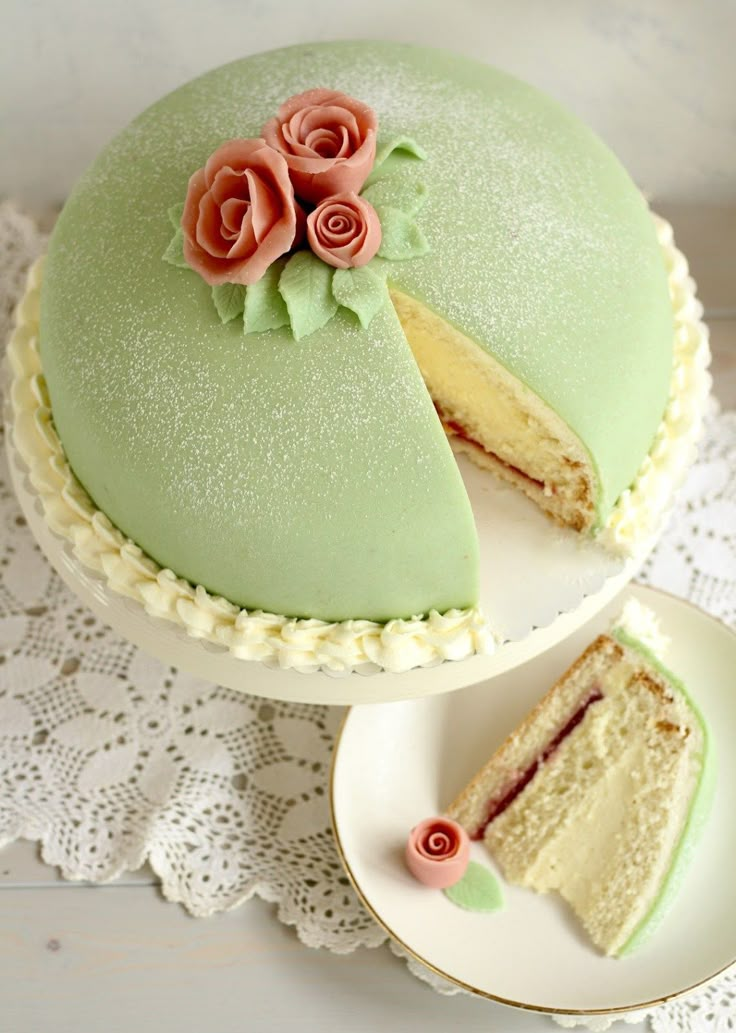
Step into any Swedish konditori (bakery), and your eyes will inevitably be drawn to a pastel green masterpiece, gracefully adorned with a dusting of powdered sugar and a delicate pink rose. This is the Prinsesstårta, or Princess Cake, a culinary icon that has captured the hearts and palates of Swedes and dessert enthusiasts worldwide. If you've ever pondered, "Was Zeichnet Eine Schwedische Prinzessinnen Torte Aus?" (What defines a Swedish Princess Cake?), you're about to discover the unique charm, intricate layers, and rich history that make this cake truly special.
The Hallmarks of a True Prinsesstårta: A Visual and Culinary Delight
The Prinsesstårta is instantly recognizable, and its visual identity is perhaps its most defining characteristic. When considering was zeichnet eine schwedische Prinzessinnen Torte aus, several key features immediately come to mind. First and foremost is its striking, usually light green marzipan dome. This isn't just a simple covering; it's meticulously draped over a mountain of whipped cream, creating a smooth, almost fairytale-like spherical shape that sets it apart from conventional layered cakes.
Beneath the vibrant marzipan, a delicate dusting of powdered sugar adds a touch of snowy elegance, enhancing the cake's whimsical appeal. But no Prinsesstårta is complete without its signature embellishment: a small, often pink, marzipan rose placed atop the dome. This floral accent is not just decorative; it’s a nod to the cake's royal heritage and adds a playful, regal touch that evokes images of classic European pastries. The combination of the vibrant green, the soft white of the sugar, and the contrasting pink rose creates an aesthetic that is both charming and sophisticated, making it a focal point on any dessert table.
Unpacking the Layers: Inside the Royal Treat
While the exterior of the Prinsesstårta is undoubtedly captivating, it's the carefully constructed layers within that truly define its taste and texture. To understand was zeichnet eine schwedische Prinzessinnen Torte aus from a flavor perspective, one must delve into its delightful core. This cake is a masterclass in textural harmony and balanced sweetness, offering a symphony of soft, creamy, and subtly tart notes. For a deeper dive into its construction, check out our article Inside the Prinsesstårta: Layers of Cream, Jam, and Royal Elegance.
The traditional Prinsesstårta consists of several distinct layers:
- Light, Airy Sponge Cake (Biskuit): The foundation of the cake is a tender, often vanilla-flavored sponge cake. This light and fluffy base provides the perfect counterpoint to the richer fillings, ensuring the cake doesn't feel heavy. It's typically sliced into two or three thin layers.
- Vanilla Pastry Cream (Konditorcreme): A rich, smooth, and utterly delicious vanilla pastry cream forms a crucial layer. This custard-like filling adds a luxurious depth of flavor and creamy texture that melts in the mouth. It's often spread directly onto the sponge cake layers.
- Whipped Cream: This is where the magic of the dome shape truly comes alive. A generous amount of freshly whipped cream is piled high over the vanilla cream and sponge layers, carefully sculpted into the characteristic hemispherical form. This cloud-like cream provides incredible lightness and complements the richer elements perfectly.
- Raspberry Jam or Confiture: Tucked between the sponge and cream layers, a thin spread of raspberry jam or confiture adds a vital burst of tartness. This fruitiness cuts through the richness of the cream and marzipan, providing a refreshing contrast that elevates the overall flavor profile. While raspberry is classic, some variations might use other berry jams.
The genius of the Prinsesstårta lies in how these components interact. The soft sponge, the luscious vanilla cream, the ethereal whipped cream, and the tangy jam create a harmonious blend of textures and tastes, all enveloped by the sweet, almondy embrace of the marzipan. Each bite offers a balanced experience, preventing any single element from overpowering another.
A Royal Legacy: The History Behind the Name
The story behind the Prinsesstårta is as charming as the cake itself, offering another fascinating answer to was zeichnet eine schwedische Prinzessinnen Torte aus beyond its ingredients. The cake's origins trace back to the 1930s and a cooking school run by Jenny Åkerström, a teacher for Sweden's royal family. Åkerström published a cookbook titled "Prinsessornas Kokbok" (The Princesses' Cookbook) in 1930, which featured a recipe for a cake called "Grön Tårta" (Green Cake).
This particular cake quickly became a favorite of three Swedish princesses: Margaretha, Märtha, and Astrid, daughters of Prince Carl, Duke of Västergötland, and Princess Ingeborg of Denmark. Their fondness for the cake was so pronounced that it eventually became known as "Prinsesstårta" in their honor. It's a testament to the cake's enduring appeal that a simple recipe from a royal cookbook could evolve into such a beloved national treasure. For more on this captivating history, delve into A Slice of Sweden: Unraveling the History of the Prinsesstårta.
Today, the Prinsesstårta is more than just a dessert; it's a small but significant piece of Swedish identity. It's a staple in bakeries across the country and a symbol of celebration, frequently gracing tables at birthdays, graduations, confirmations, and the quintessential Swedish tradition of "fika" (a coffee break often accompanied by pastries).
Beyond the Classic Green: Variations and Tips for Home Bakers
While the classic green marzipan, raspberry jam, and vanilla cream combination is what most people recognize as the answer to was zeichnet eine schwedische Prinzessinnen Torte aus, like many traditional recipes, the Prinsesstårta has seen its share of delicious variations. These adaptations allow for personal preference while still honoring the cake's core identity.
Popular Variations:
- Marzipan Colors: While green is iconic, the marzipan covering can be altered for specific occasions. Blue marzipan might be used for boys' birthdays, red for Valentine's Day, or even white for weddings. The marzipan rose can also be tinted in various colors to match a theme.
- Jam Flavors: While raspberry jam is traditional, other berry jams like strawberry or lingonberry can be substituted for a slightly different fruity note. Some modern interpretations might even experiment with fruit curds.
- Cream Ratios: Some bakers prefer a higher ratio of whipped cream to vanilla pastry cream, resulting in an even lighter, more ethereal cake. Others might favor a richer, more custard-heavy interior.
- Seasonal Fillings: Occasionally, you might find seasonal variations, incorporating fresh berries or other fruit compotes when available, though these are less common than the classic.
Tips for Home Bakers:
Baking a Prinsesstårta at home can be a rewarding experience, though it requires a bit of patience and attention to detail:
- Quality Ingredients: Use good quality marzipan, fresh cream, and real vanilla for the best flavor. The sponge cake should be light and airy, so don't overmix the batter.
- Chill, Chill, Chill: Chilling is crucial at several stages. Ensure your vanilla cream is properly set before assembling. After layering and forming the cream dome, chill the cake thoroughly before attempting to drape the marzipan. This stability prevents collapses.
- Rolling Marzipan: Roll the marzipan thinly and evenly on a surface dusted with powdered sugar (or a mix of cornstarch and powdered sugar) to prevent sticking. Aim for a circle large enough to completely cover your dome.
- Draping with Care: Gently lift the rolled marzipan and carefully drape it over the chilled whipped cream dome. Smooth it down, working from the top center outwards, to avoid wrinkles and air bubbles. Trim any excess neatly around the base.
- The Marzipan Rose: Creating the rose might seem daunting, but practice makes perfect. Small pieces of marzipan rolled into thin petals and arranged can quickly form a beautiful bloom. Food coloring can be used to achieve the traditional pink hue.
Serving Prinsesstårta: More Than Just a Dessert
The Prinsesstårta is not merely a cake; it's an experience, deeply embedded in Swedish social customs. It's what was zeichnet eine schwedische Prinzessinnen Torte aus in terms of its cultural role. While perfect for any celebration, it holds a special place at:
- Birthdays: A common choice for birthday parties, especially for children and those who appreciate traditional Swedish treats.
- Graduations and Confirmations: Marking significant life milestones with a touch of elegance and tradition.
- Fika: Elevating the everyday Swedish coffee break into a luxurious affair. Serving a Prinsesstårta transforms a simple get-together into a festive occasion.
- National Holidays: Though not specific to one holiday, its patriotic colors (green marzipan, white cream, red jam in a stretch!) can be seen as subtly representing the Swedish flag.
Serving Prinsesstårta is about sharing joy and tradition. Its striking appearance makes it an instant centerpiece, sparking conversations and delighting guests of all ages. It’s a treat that embodies comfort, elegance, and a touch of nostalgic charm.
From its distinctive green marzipan dome and delicate marzipan rose to its layered interior of fluffy sponge, rich vanilla cream, ethereal whipped cream, and tangy raspberry jam, the Prinsesstårta is truly a masterpiece. It's a cake with a captivating history, beloved by royalty and everyday Swedes alike, and a symbol of celebration and togetherness. So, the next time you encounter this iconic confection, you’ll not only appreciate its beauty but also understand the intricate answer to "Was Zeichnet Eine Schwedische Prinzessinnen Torte Aus?" – a harmonious blend of taste, texture, history, and unmistakable Swedish charm. Whether enjoyed in a cozy café or lovingly baked at home, the Prinsesstårta promises a truly royal treat for the senses.